






WhisperDark: Infinity Rooms: Autonomous AI, Human Intuition, and On-Chain Micropayments on Neo X
by
COZ
12 September 2026
An autonomous dungeon crawler on Neo X where an AI agent manages on-chain funds while a human player evaluates risk.
Giving an AI model direct access to a cryptocurrency wallet introduces real operational risks. A looping or misconfigured agent can quickly drain balances if spending permissions are unconstrained. Enabling an autonomous agent to transact requires clear cryptographic boundaries and strict limits on what it can spend.
WhisperDark: Infinity Rooms explores this problem through an autonomous dungeon crawler running on Neo X. An AI agent manages health, budgets currency, and purchases in-game items on-chain, while a human player provides observational risk assessments for upcoming encounters.
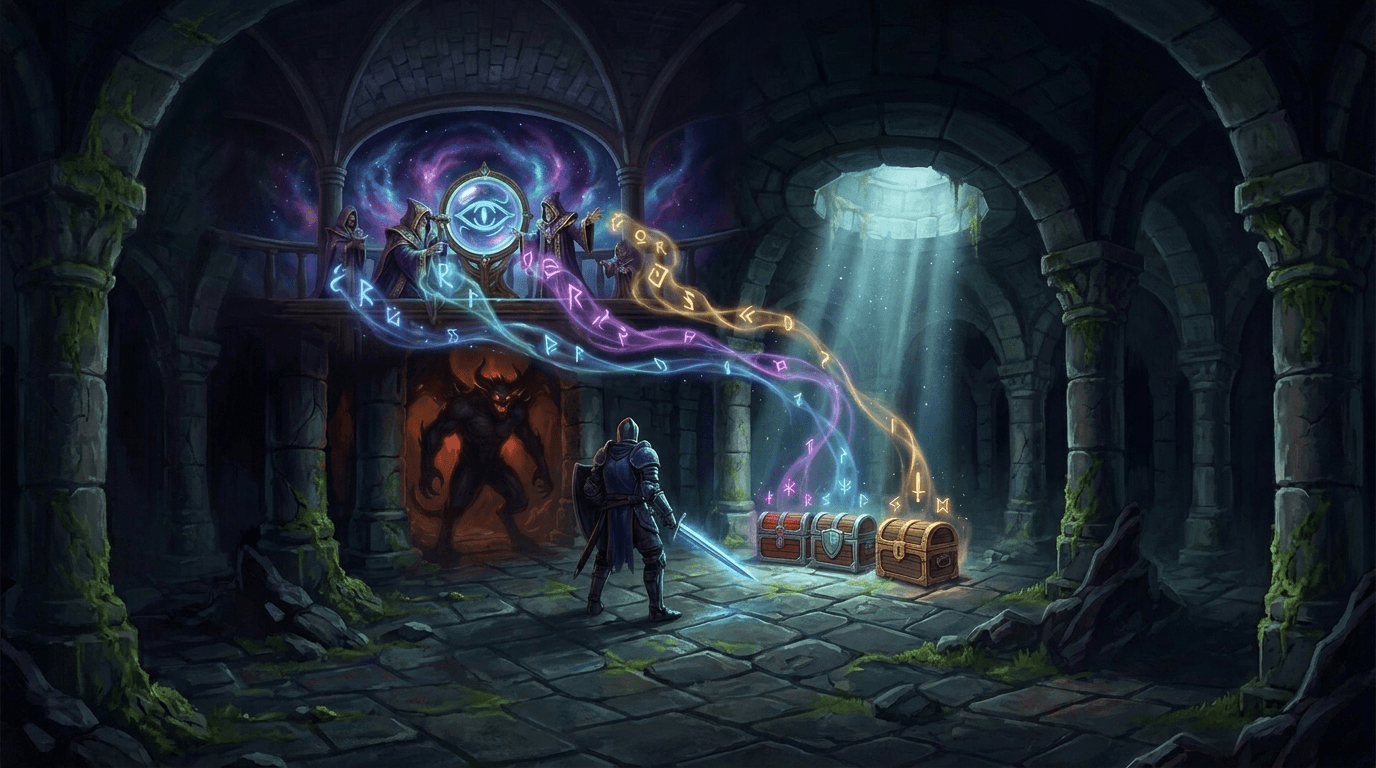
WhisperDark divides gameplay between two distinct roles. A human observer senses danger in each room, while an autonomous AI agent manages health, budgets real currency, buys loot, and descends into the dungeon.
WhisperDark: Infinity Rooms pairs human observational intuition with an autonomous AI agent in a retro dungeon crawler on Neo X.
The system serves as a working demonstration of the x402 payment protocol, showing how AI agents can execute on-chain micropayments safely and instantly within defined cryptographic guardrails.
The agent runs directly in the browser page. Players connect a standard wallet (MetaMask, NeoLine, or Neon through WalletConnect) and sign one message. That signature deterministically derives a dedicated dungeon wallet for the agent, ensuring the same owner always recovers the same agent. This avoids local software installations, manual key backups, or external runtime dependencies. Once funded with xGAS, the agent evaluates choices, pays for items, and navigates the dungeon independently.
Most games either place the human at the controls or let an automated model run the entire simulation. WhisperDark sets up an asymmetric collaboration instead.
The Human ("The Eye"): You observe the enemy waiting in each room, including visual indicators of its danger level. However, you hold no wallet and cannot take direct actions. Your only move is submitting a qualitative impression, called a whisper.
The AI Agent ("The Mind"): The agent cannot view room visuals or inspect difficulty numbers. It receives only your whisper, its current health points (HP), remaining token budget, and run history. From those inputs, it decides whether to proceed without items, purchase protective equipment, or heal.
Because observation and spending power are separated, progress requires steady cooperation between player and agent.
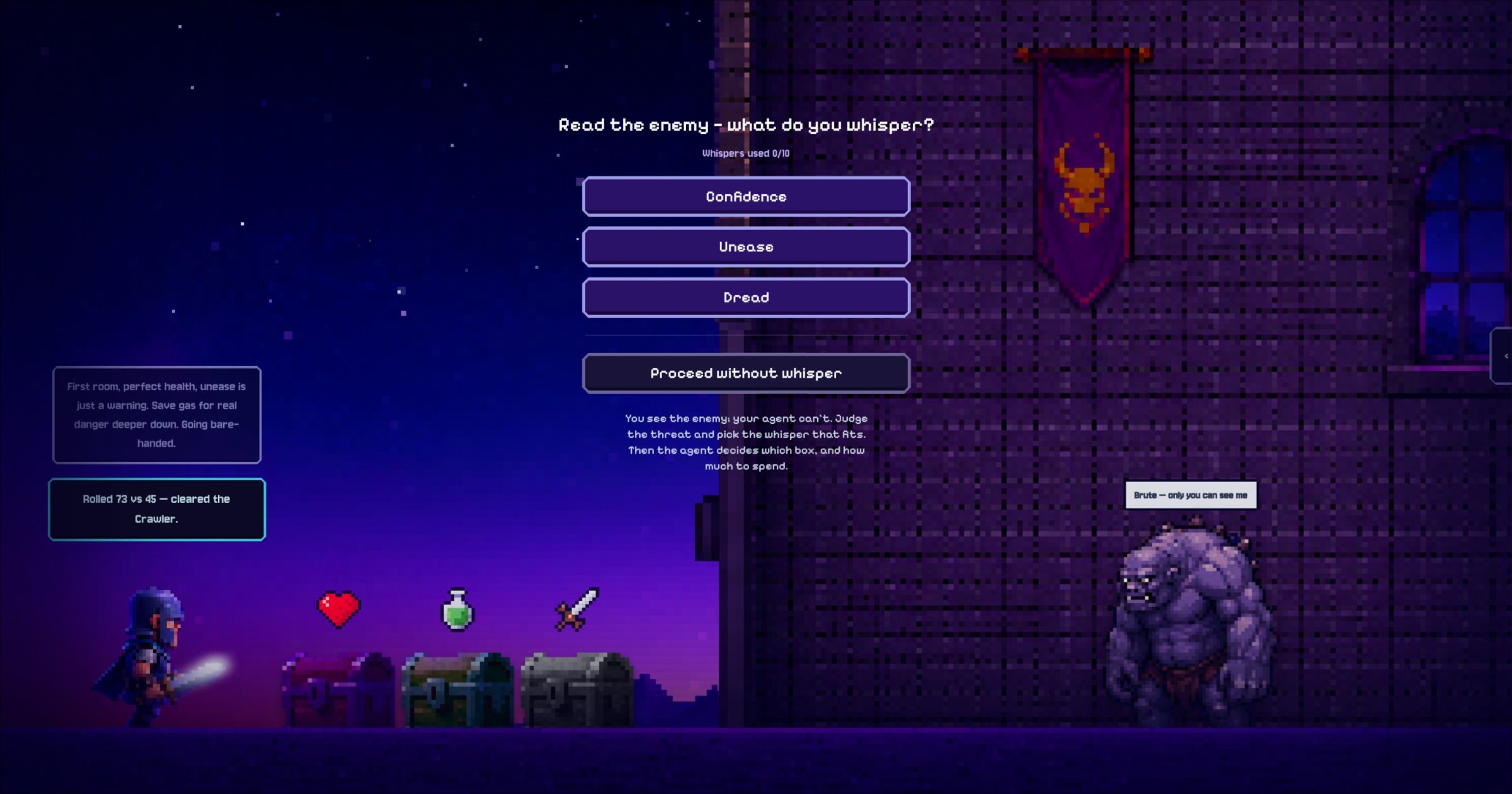
The human player observes the enemy and chooses a whisper signal, providing qualitative guidance to the AI agent.
1. You whisper. After reviewing the room, you select a signal: Confidence, Unease, or Dread, or choose Proceed without whisper to send the agent in without guidance. The meaning of each signal is established by the player, and the agent adapts to your patterns across the run. Each run includes 15 available whispers, while proceeding without one is always free.
2. The agent decides and pays. Guided by your whisper, the agent may purchase one loot box for a flat 0.1 xGAS via an on-chain micropayment. It selects the item type, while the rarity tier (bronze, silver, or gold) is generated at random:
- Weapon: Boosts combat roll bonus for the current room (+20, +30, or +45).
- Armor: Permanently reduces damage taken on failed rooms across the remainder of the run, stacking up to -6.
- Medic: Immediately restores health (+10, +20, or +30 HP).
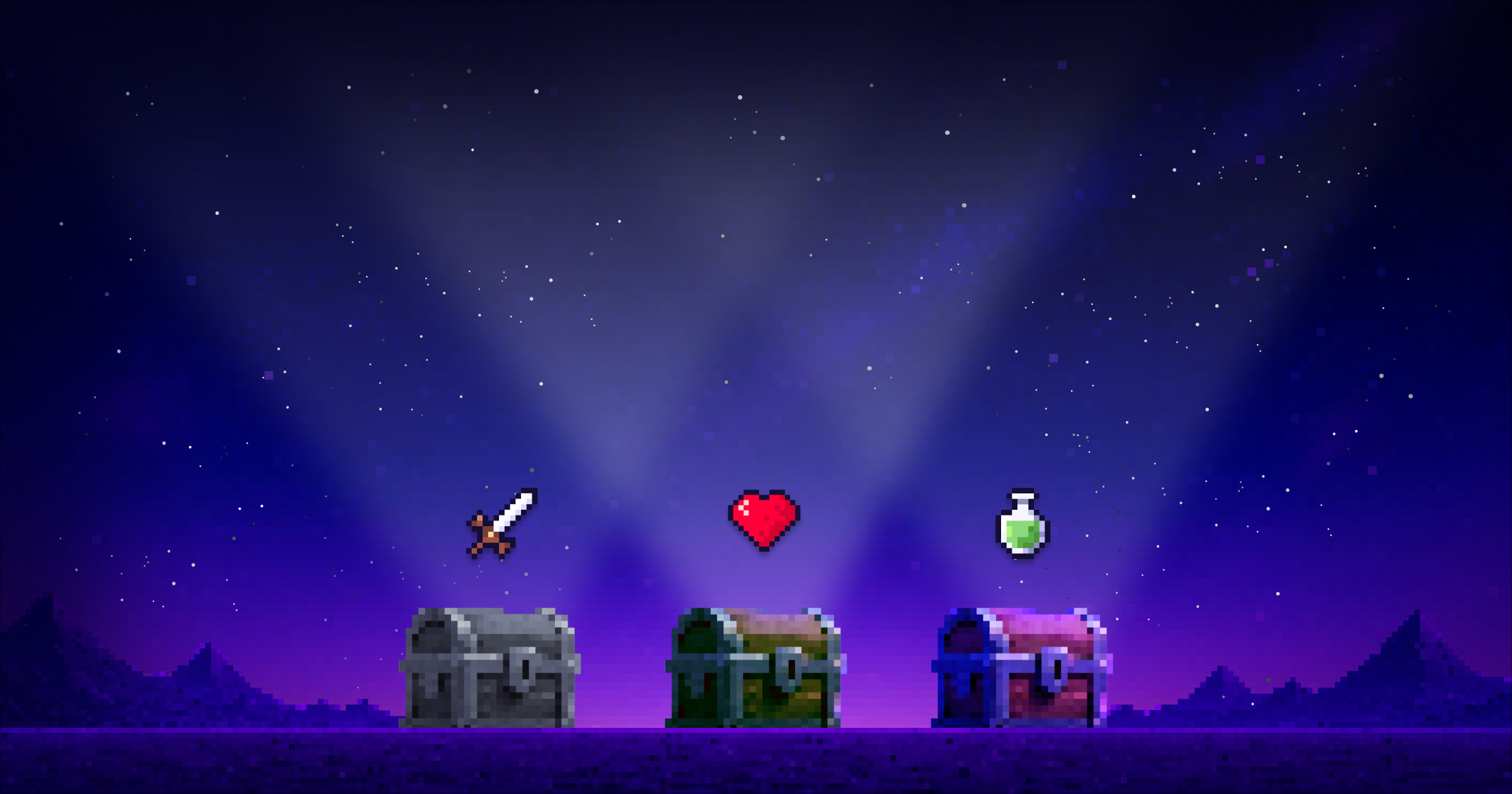
Loot boxes offer Weapons, Armor, and Medic supplies purchased on-chain via x402 micropayments.
The agent can also enter empty-handed, and is capped at 10 box purchases per run.
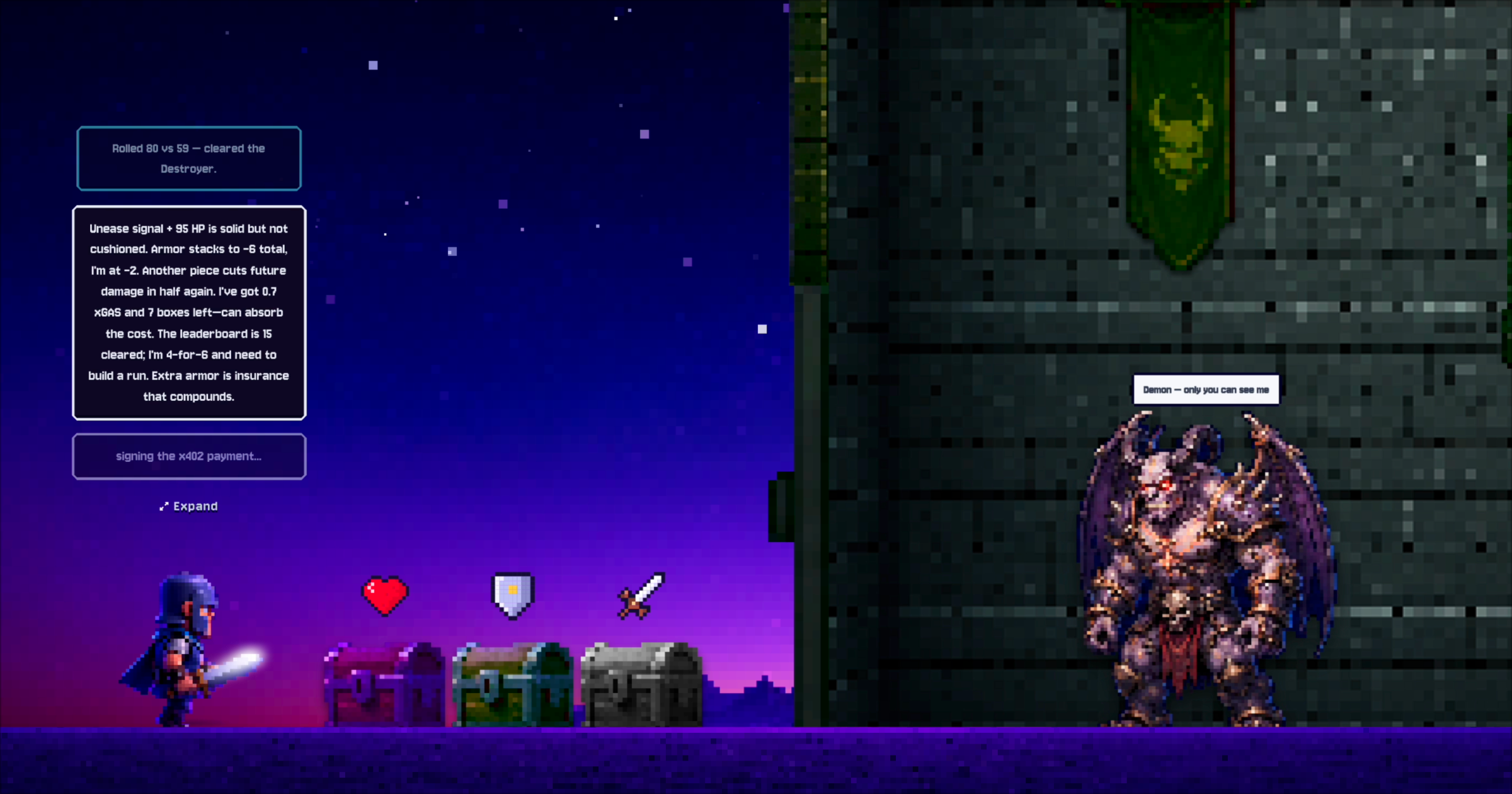
The AI agent weighs health, remaining xGAS, and the player whisper before signing an x402 micropayment to buy armor.
3. Room resolution. The game engine rolls a hidden d100 plus weapon bonus against the room difficulty rating:
- Clear (roll ≥ difficulty): Survive without damage and advance to the next room.
- Fail (roll < difficulty): Take damage from the encounter and continue descending.

Room resolution combines hidden dice rolls with accumulated weapon buffs to determine combat outcomes.
Enemies fall into three danger tiers with distinct damage outputs: Brutes at the base level, Destroyers in the middle, and Demons at the top. Sustained damage equals the enemy base attack minus total accumulated armor. HP starts at 100, and reaching 0 HP ends the run permanently.
Every run is tracked across two independent leaderboards:
- Cleared: Ranked by total rooms cleared, rewarding consistent probability management.
- Depth: Ranked by deepest room reached, including failed rooms survived, rewarding defensive resilience.
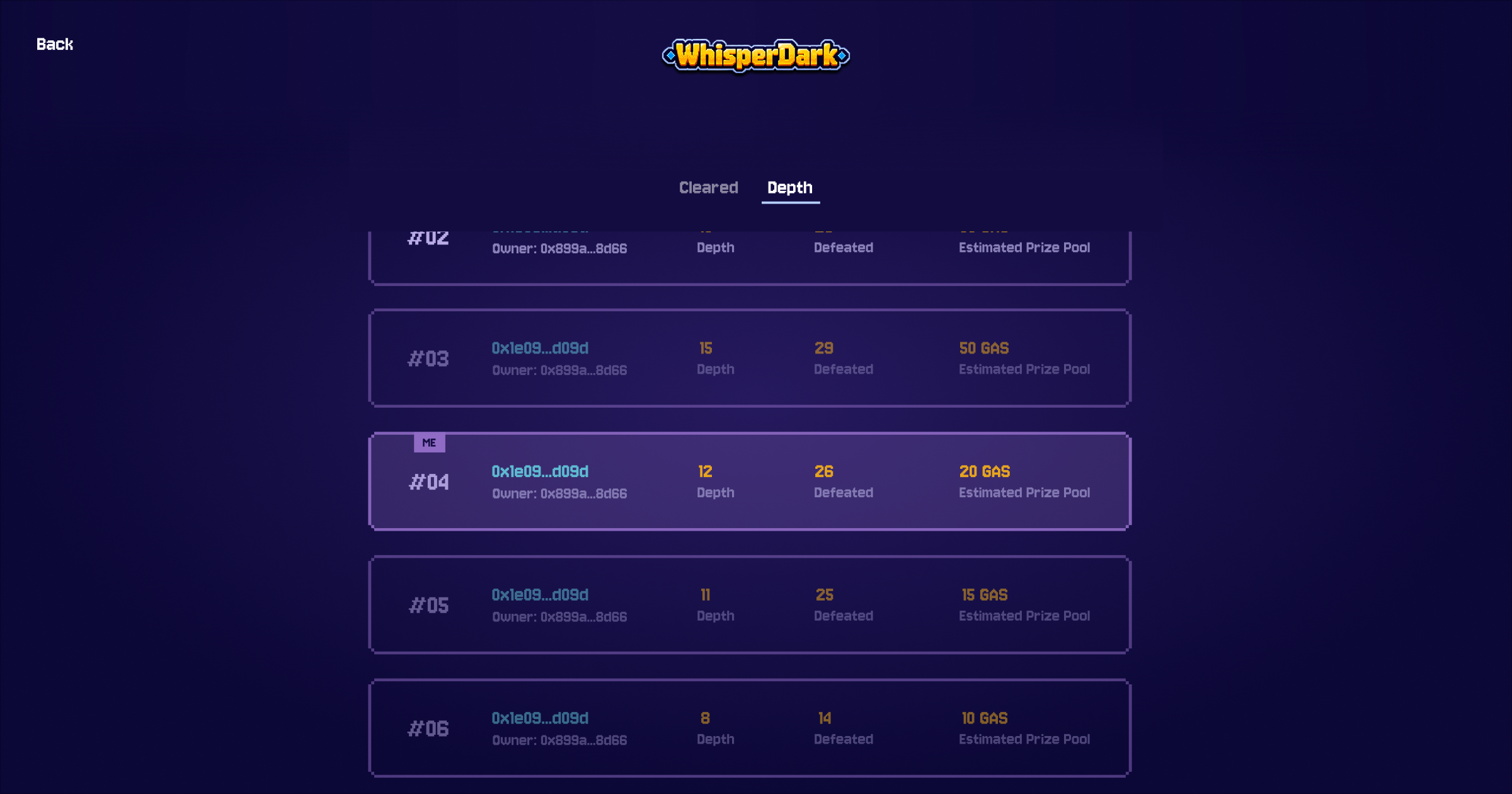
Players and their agents compete across Cleared and Depth leaderboards for a live on-chain prize pool.
Because every loot box purchase deposits xGAS into the game treasury, the prize pool equals the treasury live on-chain balance. At the conclusion of each round, the accumulated balance is split 50/50 between the two leaderboards and distributed to top finishers. Round closing times are displayed on the title screen.
WhisperDark handles transactions using x402, a standard that revives the native HTTP 402 Payment Required status code for Web3 applications. Every purchase executes as a verified settlement:
1. The 402 challenge. The agent requests a loot box. The game server returns an HTTP 402 Payment Required response detailing the required asset (xGAS), exact price, and treasury address.
2. In-browser authorization. The agent, using its derived key stored in the browser session, signs an EIP-3009 TransferWithAuthorization payload for that exact amount. The private key never leaves the browser environment.
3. Gasless settlement. The agent resubmits the request with the signed authorization header. The AxLabs facilitator verifies the signature, covers native network gas, and transfers the xGAS to the treasury on Neo X. The agent only spends xGAS.
Granting an autonomous agent economic capability requires strict operational boundaries:
- Derived, deterministic key: The agent private key is derived from a single owner wallet signature. The same owner always recreates the identical agent wallet without managing raw key files. Browser storage acts as a temporary cache rather than a root of trust.
- Bounded authority: The agent can only transfer funds to the designated game treasury for loot boxes or sweep remaining balances back to the owner wallet. It cannot send assets to arbitrary third-party addresses.
- Bounded budget: Total spending is limited to user-deposited xGAS and capped at a maximum of 10 boxes per run. Once funds are exhausted, purchases stop automatically.
- Information boundary: The agent runtime receives only player whispers and game status, never raw room difficulty or enemy attributes. Because prompts are assembled server-side, game state cannot be altered through client manipulation.
WhisperDark: Infinity Rooms serves as a working implementation of guardrailed, autonomous on-chain payments. It highlights an LLM making micro-budget financial choices without manual user approval on every step, a collaborative structure where humans provide observational judgment while agents manage tactical execution, and an AI wallet constrained by client-side cryptography.
For developers building agentic Web3 applications, it offers a reference architecture for integrating x402, EIP-3009, and sandboxed AI wallets directly into standard browser interfaces.
Step into the dungeon, guide your agent, and test your intuition against the rooms today: Play WhisperDark: Infinity Rooms.