






COZ joined builders, investors, and ecosystem leaders in Rio de Janeiro for Stellar 37°, where the conversation centered on practical applications, easier onboarding, and making blockchain infrastructure disappear into better user experiences.

Stellar 37° brought builders, mentors, investors, and ecosystem contributors together in Rio de Janeiro.
From June 8 to 11, COZ participated in Stellar 37°, a multi-day program held in Santa Teresa, Rio de Janeiro, as part of the broader Stellar Village gathering. Organized with Nearx Innovation School, the program brought together builders, mentors, investors, and ecosystem contributors for opening sessions, technical discussions, community conversations, and a final pitch night.
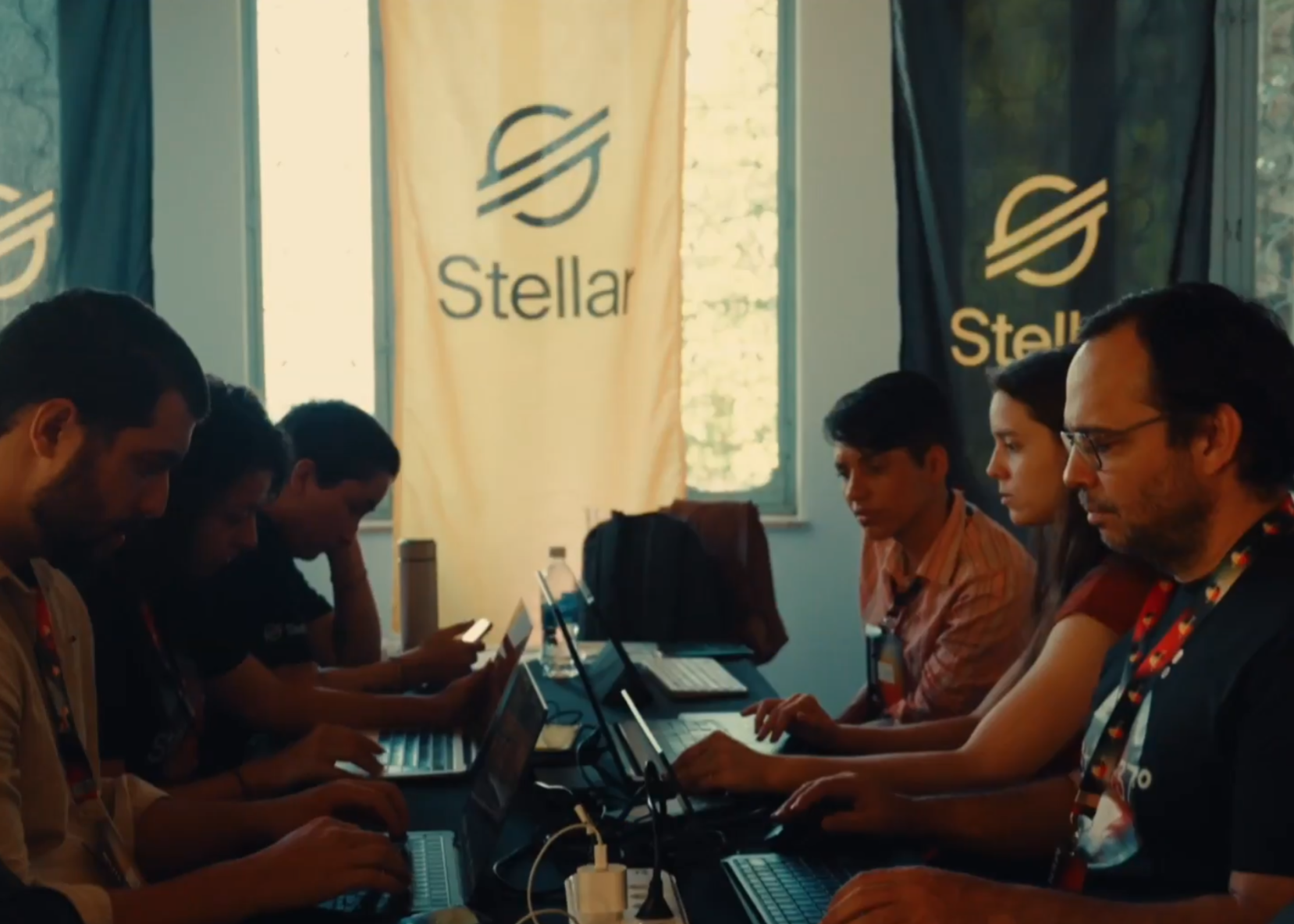
More than 20 teams reached the final phase after five weeks of building on Stellar.
The event marked the final phase for more than 20 teams that had spent five weeks building on Stellar. Those teams presented their projects to investors while competing for a $20,000 prize, turning the week into both a showcase of new ideas and a practical look at where blockchain applications are heading.
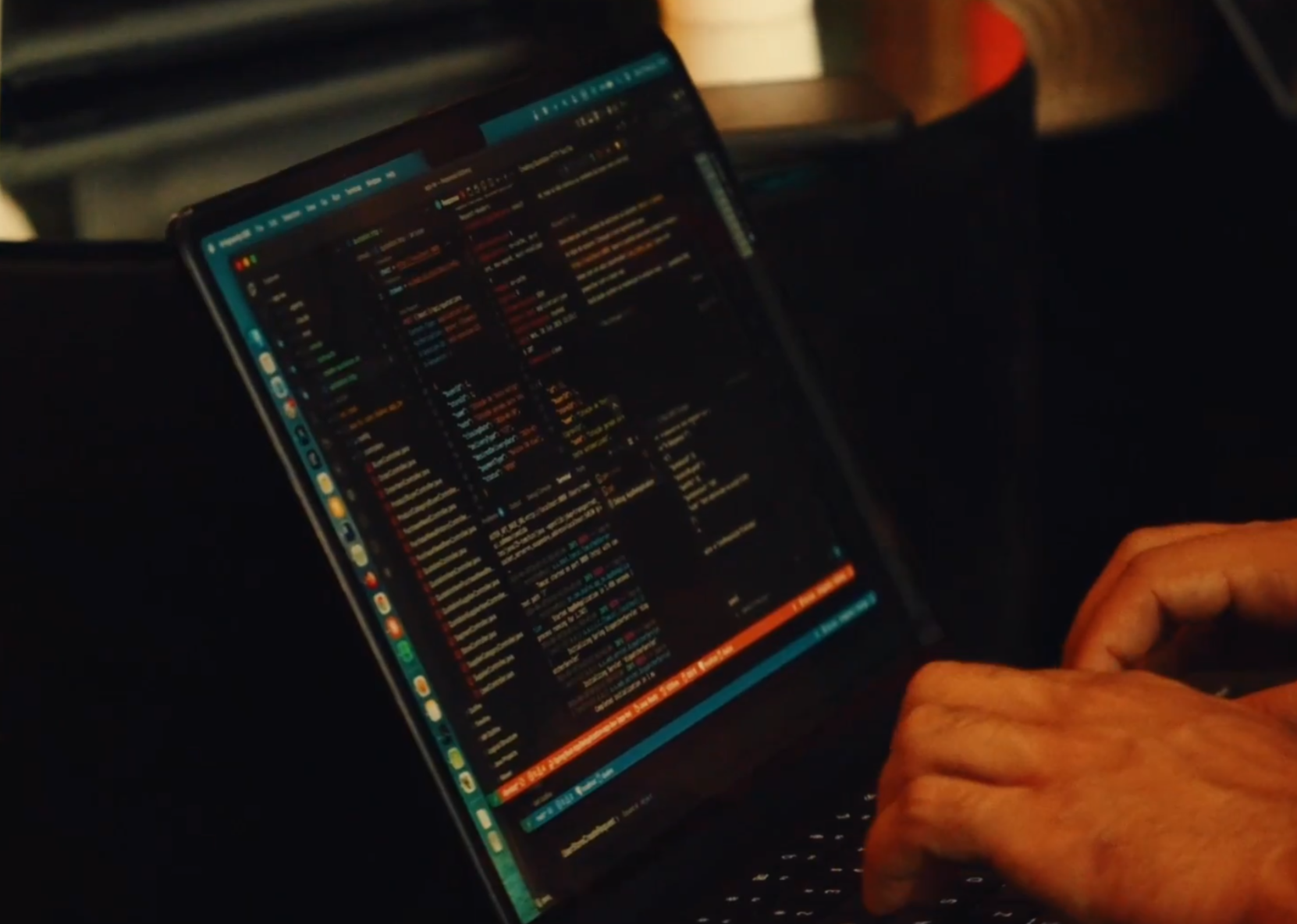
For COZ, the week created space to exchange product, compliance, funding, and ecosystem-growth perspectives.
For COZ, Stellar 37° was a valuable opportunity to connect with teams working on real-world applications, discuss project direction, and compare perspectives on technology trends, compliance, community funding, and ecosystem growth. Across those conversations, one theme stood out clearly: blockchain products need to become much easier for everyday users.
The next wave of adoption will not come from asking people to understand blockchains, private keys, tokens, gas, or network mechanics before they can use an application. It will come from products that make those details invisible while still preserving the advantages of open, programmable infrastructure.
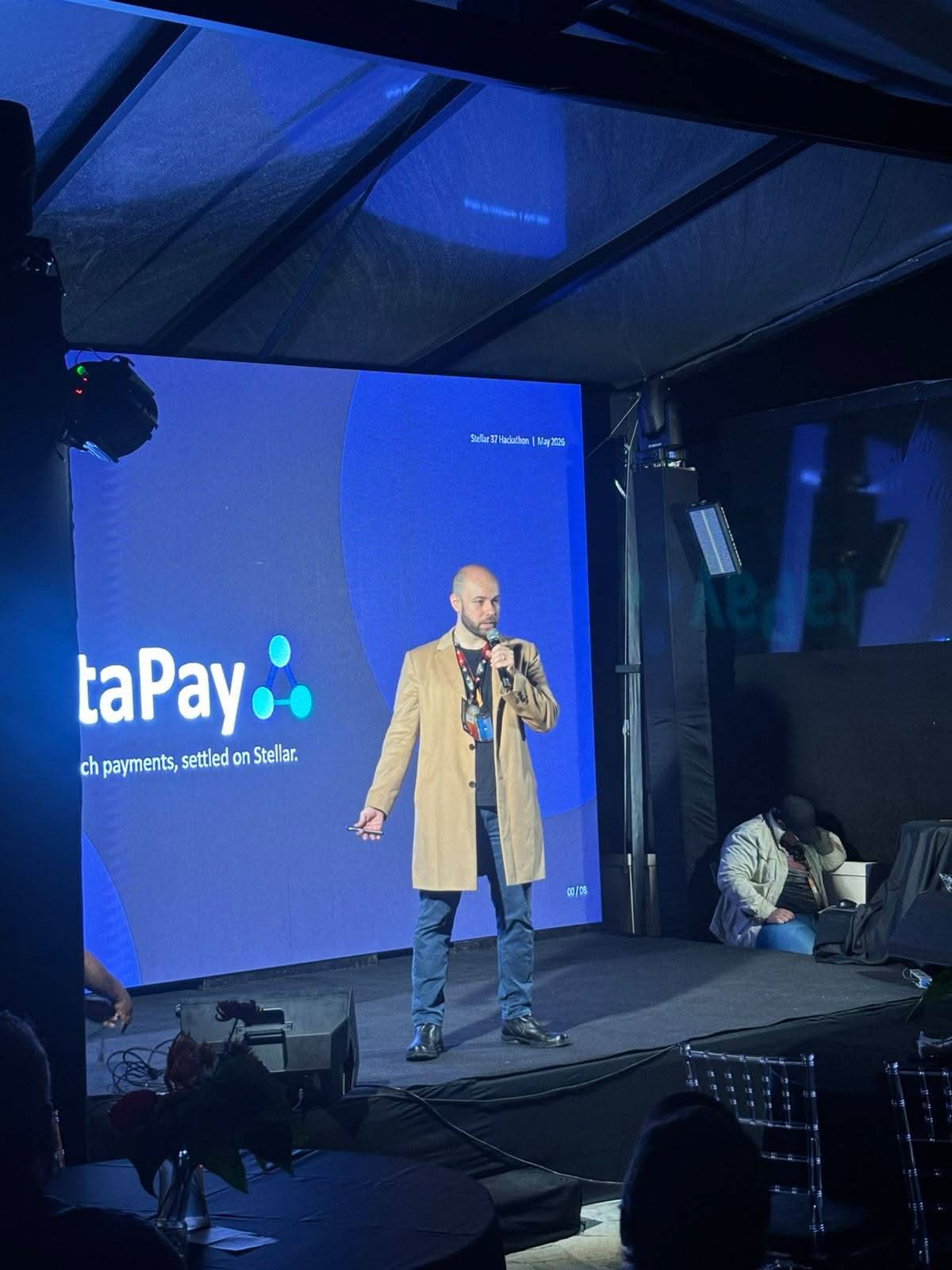
The strongest adoption paths make blockchain infrastructure useful without making it the center of the user experience.
That is especially important for real-world financial use cases. Stablecoins such as USDC already make it possible to move real assets across borders quickly, with lower fees and fewer delays than many traditional rails. Payments that might otherwise take hours or days can move in minutes, with blockchain providing the settlement layer in the background rather than becoming the product itself.
To explore that direction during the program, COZ developed a solution combining AI, Smart Accounts, yield-bearing tokens, and Pix onramp/offramp flows. The concept focused on a simple user problem: turning messy, unstructured payment information into an organized transaction flow without forcing the user to manage blockchain complexity.
With the prototype, a user can upload an unstructured payments file directly into an AI chat. The system interprets and organizes the data, prepares the payment flow, and executes transactions through a passkey-based experience in just a few minutes. Instead of asking the user to handle wallets, keys, or transaction construction manually, the interface abstracts those steps into a more familiar workflow.
COZ explored how AI, Smart Accounts, passkeys, and local payment rails can simplify real transaction workflows.
Smart Accounts can improve account behavior, passkeys can simplify authentication, AI can reduce manual formatting work, and payment rails such as Pix can make entry and exit feel more natural for local users. Together, those pieces point toward a more accessible version of Web3, where the infrastructure serves the application rather than dominating the user journey.
Stellar’s infrastructure is well suited to this kind of experimentation because it is built around practical, real-world asset movement. The program created space to test how those capabilities can translate into applications that solve concrete problems, not just demonstrate technical possibility.
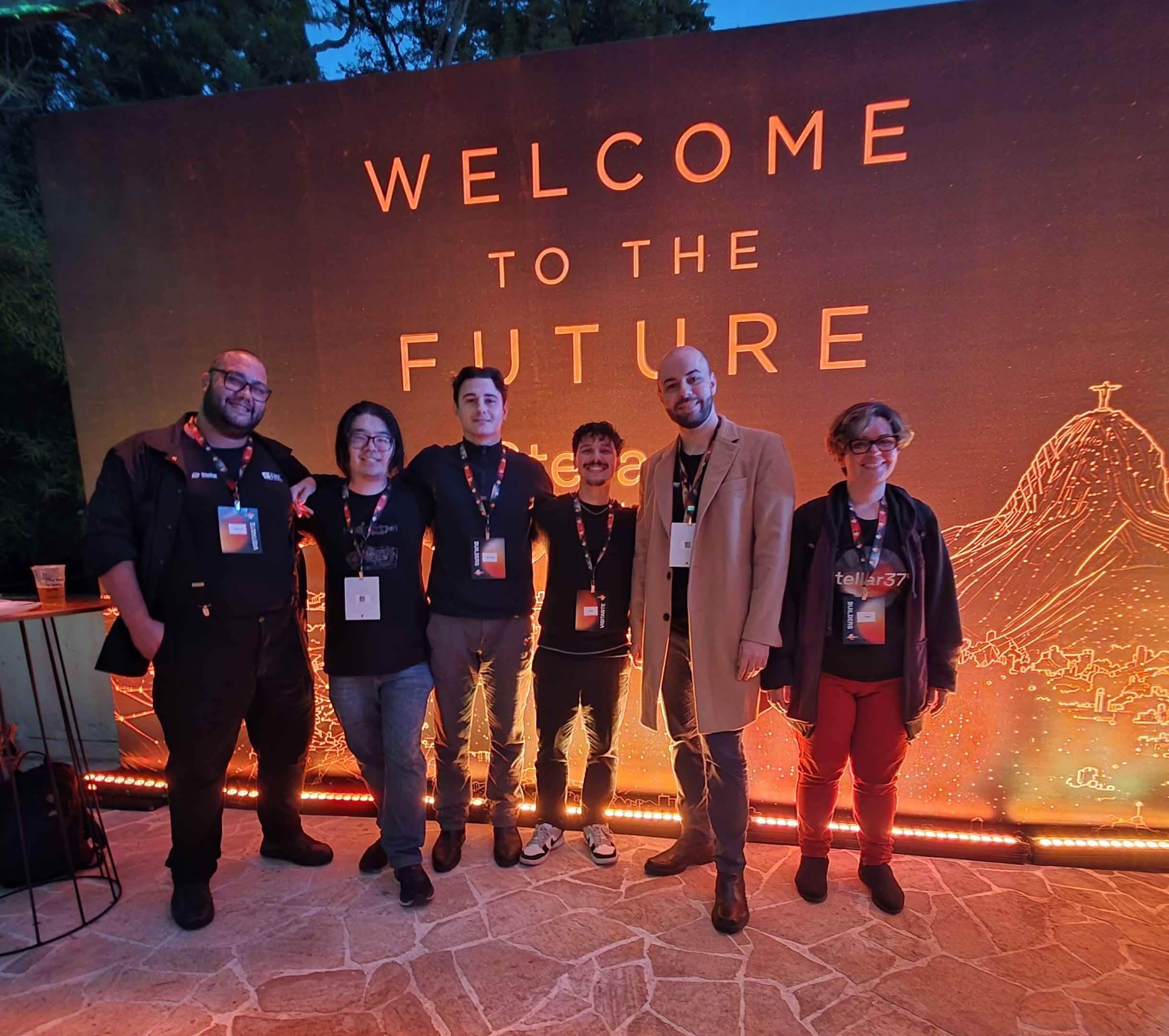
Events like Stellar 37° help connect infrastructure with the people and markets that turn it into useful products.
We are grateful to Nearx Innovation School and everyone involved in the Stellar 37° program for the support, conversations, and momentum throughout the week. Events like this are important because they bring builders closer to the people, markets, and use cases that can turn blockchain infrastructure into useful products.
For COZ, the takeaway is simple: the future of blockchain adoption depends on removing friction. The best applications will not ask users to become blockchain experts. They will give people faster, cheaper, and more useful ways to do things they already need to do, with the technology working quietly underneath.